


Artificial Intelligence (AI) is no longer a futuristic concept—it is actively transforming modern healthcare systems across the globe. From faster diagnoses to personalized treatments, AI is reshaping how medical professionals deliver care and how patients experience it. As technology continues to evolve, its integration into healthcare promises not only efficiency but also improved patient outcomes.
In this article, we’ll explore how AI is influencing healthcare today and what the future holds, while also touching on real-world conditions like missing pectoralis major muscle and sharing insights inspired by narcolepsy stories to highlight the human side of medical innovation.
1. AI-Powered Diagnostics: Faster and More Accurate
One of the most impactful uses of AI in healthcare is in diagnostics. Machine learning algorithms can analyze massive datasets—such as medical images, lab reports, and patient histories—within seconds.
For example, AI tools can detect abnormalities in X-rays, MRIs, and CT scans with remarkable accuracy. This is especially useful for identifying rare conditions like missing pectoralis major muscle, where early detection can significantly improve treatment planning.
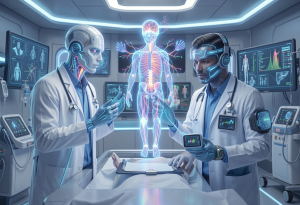
AI doesn’t replace doctors—it enhances their capabilities. By reducing diagnostic errors and speeding up decision-making, healthcare providers can focus more on patient care rather than administrative burdens.
2. Personalized Treatment Plans
Every patient is unique, and AI is helping healthcare move away from one-size-fits-all approaches. By analyzing genetic data, lifestyle factors, and medical history, AI systems can recommend personalized treatment plans.
This is particularly valuable for chronic conditions and neurological disorders. Insights drawn from narcolepsy stories, for instance, show how symptoms can vary widely between individuals. AI can help tailor treatment strategies based on these variations, improving both effectiveness and patient satisfaction.
In the future, personalized medicine powered by AI could become the standard, ensuring that treatments are as unique as the patients themselves.
3. Enhancing Patient Monitoring and Care
AI-driven wearable devices and remote monitoring tools are revolutionizing patient care. These technologies allow continuous tracking of vital signs, sleep patterns, and activity levels.
For individuals dealing with sleep disorders, such as those described in narcolepsy stories, AI-powered devices can monitor sleep cycles and detect irregularities in real time. This data can then be shared with healthcare providers, enabling timely interventions.
Remote monitoring also reduces hospital visits, making healthcare more accessible and cost-effective—especially for patients in remote areas.
4. Streamlining Healthcare Operations
Beyond patient care, AI is significantly improving the operational side of healthcare systems. Hospitals and clinics often face challenges like scheduling, resource allocation, and administrative workload.
AI can automate routine tasks such as appointment scheduling, billing, and record management. This not only reduces errors but also frees up valuable time for healthcare professionals.
For example, AI systems can prioritize patients based on urgency, ensuring that those with critical conditions receive immediate attention. This level of efficiency is crucial in modern healthcare systems where demand often exceeds capacity.
5. AI in Drug Discovery and Research
Developing new drugs is a time-consuming and expensive process. AI is accelerating this by analyzing biological data, predicting drug interactions, and identifying potential compounds faster than traditional methods.
Researchers can now simulate clinical trials and predict outcomes using AI models. This speeds up the development of treatments for rare conditions, including those affecting muscle development such as missing pectoralis major muscle.
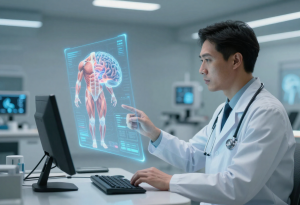
Moreover, AI can uncover patterns in large datasets that humans might miss, leading to groundbreaking discoveries and innovative therapies.
6. Ethical Considerations and Challenges
While AI offers immense benefits, it also raises important ethical and practical concerns. Data privacy, algorithm bias, and the need for human oversight are critical issues that must be addressed.
Healthcare data is highly sensitive, and ensuring its security is paramount. Additionally, AI systems must be trained on diverse datasets to avoid biases that could impact patient care.
Another challenge is maintaining the human touch in healthcare. Stories from patients—like those shared in narcolepsy stories—highlight the importance of empathy and understanding. AI should complement, not replace, the human connection between doctors and patients.
What the Future Holds
The future of AI in healthcare is incredibly promising. We can expect advancements such as:
- Predictive analytics to prevent diseases before they occur
- AI-assisted robotic surgeries with higher precision
- Virtual health assistants providing 24/7 support
- Integration of AI with telemedicine for global accessibility
As these technologies evolve, healthcare systems will become more proactive rather than reactive, focusing on prevention and early intervention.
Conclusion
AI is transforming modern healthcare systems in ways that were once unimaginable. From improving diagnostics to enabling personalized treatments and streamlining operations, its impact is profound and far-reaching.
However, the true potential of AI lies in its ability to work alongside healthcare professionals, enhancing their skills while preserving the human element of care. By combining advanced technology with real-world insights—like those seen in narcolepsy stories—and addressing unique medical conditions such as missing pectoralis major muscle, AI can help create a more efficient, compassionate, and effective healthcare system.
The journey has just begun, and the future of AI in healthcare is set to redefine how we understand and experience medicine.
FAQs
1. How is AI improving modern healthcare systems?
AI improves healthcare by enabling faster diagnoses, personalized treatments, and efficient hospital management. It helps doctors analyze large datasets quickly, reducing errors and improving patient outcomes.
2. Can AI help diagnose rare conditions like missing pectoralis major muscle?
Yes, AI-powered imaging and data analysis tools can assist in detecting rare conditions such as missing pectoralis major muscle. Early identification helps doctors create better treatment and rehabilitation plans.
3. What role does AI play in managing sleep disorders like narcolepsy?
AI can track sleep patterns through wearable devices and analyze data to detect irregularities. Insights from narcolepsy stories also help improve AI models, leading to more personalized and effective treatments.
4. Is AI replacing doctors in healthcare?
No, AI is not replacing doctors. It acts as a support tool that enhances decision-making, reduces workload, and allows healthcare professionals to focus more on patient care.
5. What are the biggest challenges of using AI in healthcare?
The main challenges include data privacy concerns, potential algorithm bias, high implementation costs, and the need to maintain a human-centered approach in patient care.
















![Familiar Circumstances [v1.2] [Babyface] (1)](https://www.smilebox.co.za/wp-content/uploads/2026/06/Familiar-Circumstances-v1.2-Babyface-1.jpg)






Leave a Reply