

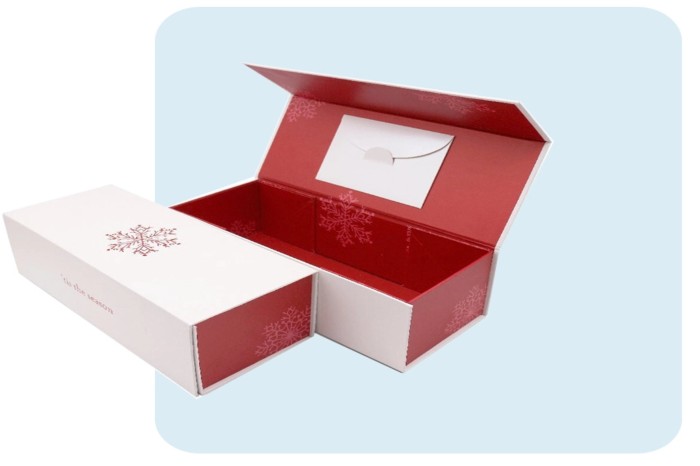
When a customer opens a box and finds items jumbled together, loose, and hard to identify, they form an opinion in seconds. That first impression sticks. We work with brands every day on packaging and product presentation, and we see the same pattern: organized products earn trust, while disorganized ones lose it.
In this guide, we break down exactly how product organization shapes the customer experience. You will learn how presentation builds first impressions, how unboxing affects loyalty, why structure drives repeat purchases, and how the right packaging holds everything together. We back each point with practical steps you can use right now.
Here is the roadmap. We start with what product organization actually means, then move through presentation, unboxing, repeat buying, brand trust, and packaging structure. We finish with common mistakes, a best-practice checklist, and answers to the questions we hear most.
What Product Organization Really Means
Product organization is the deliberate arrangement of items so customers can see, reach, and understand them with no confusion. It applies to how products sit on a shelf, how they appear on a website, and how they arrive inside a box. Each touchpoint sends a message about your brand.
Many people assume organization is only about looking tidy. It goes deeper than that. Good organization reduces the effort a customer spends finding, choosing, and using your product. When effort drops, satisfaction rises.
We define product organization across three levels:
- Retail organization: How items are grouped, labeled, and displayed in a physical store.
- Digital organization: How products are categorized, filtered, and presented online.
- Packaging organization: How items are arranged, separated, and protected inside the shipping box.
All three work together. A customer who finds a product easily online expects the same clarity when the box arrives. When those experiences match, trust grows. When they clash, doubt creeps in.
Why Customers Notice Organization Before Anything Else
People process visual order faster than text. Research on consumer behavior shows shoppers form a judgment about a product display in roughly 50 milliseconds. That speed means organization works before your customer reads a single word.
A clean, structured presentation signals quality and care. A messy one signals the opposite, even if the product inside is excellent. We help brands close that gap so the packaging matches the value of what is inside.
How Presentation Shapes First Impressions
Presentation is the first handshake between your brand and your customer. It happens on the shelf, on the screen, and at the doorstep. Each moment either builds confidence or plants doubt.
A strong presentation does three things at once. It guides the eye to the most important item, it groups related products so choices feel simple, and it removes visual clutter that slows decisions. We design presentations around these goals rather than guessing.
The Psychology Behind a Clean Display
Customers connect visual order with product quality. A well-spaced, clearly labeled arrangement tells the buyer that the brand pays attention to detail. That assumption carries over to the product itself.
Here is how specific presentation choices affect buyer perception:
| Presentation Choice | Customer Perception | Effect on Buying |
| Grouped by category | “This is easy to navigate” | Faster decisions |
| Consistent labeling | “This brand is reliable” | Higher trust |
| Clear spacing | “This product feels premium” | Willingness to pay more |
| Cluttered layout | “This feels cheap or careless” | Hesitation or exit |
| Hidden or buried items | “I can’t find what I want” | Lost sales |
The takeaway is direct. Presentation is not decoration. It is a sales tool that either speeds the buyer forward or stops them cold.
Common Presentation Mistakes
We see the same errors across brands of every size. Each one quietly drains sales.
- Overcrowding the display so no single product stands out.
- Mixing unrelated items that confuse the customer’s path.
- Using inconsistent labels that make scanning difficult.
- Ignoring the unboxing view so the inside looks nothing like the outside promise.
Fix these, and you remove friction at the exact moment a customer decides to buy.
Why Unboxing Is a Customer Experience Moment
Unboxing is no longer a private act. Customers film it, share it, and judge brands by it. The moment a box opens, your product organization is on full display.
A disorganized box undoes the goodwill your marketing worked to build. Loose items, missing protection, and no clear order tell the buyer you stopped caring after the sale. An organized box does the opposite. It confirms the customer made a smart choice.
What a Strong Unboxing Experience Includes
We build unboxing experiences around clarity and protection, not just looks. Every element has a job.
- A logical reveal order so the main product appears first.
- Separation between items so nothing shifts or scratches.
- Secure positioning so each piece stays where it belongs.
- Clear instructions or inserts so the customer knows what to do next.
These details turn a routine delivery into a moment the customer remembers. That memory drives reviews, referrals, and repeat orders.
The Role of Internal Structure
The biggest unboxing failure we see is items moving freely inside the box. Movement causes damage, and damage destroys the experience instantly. Structure solves this.
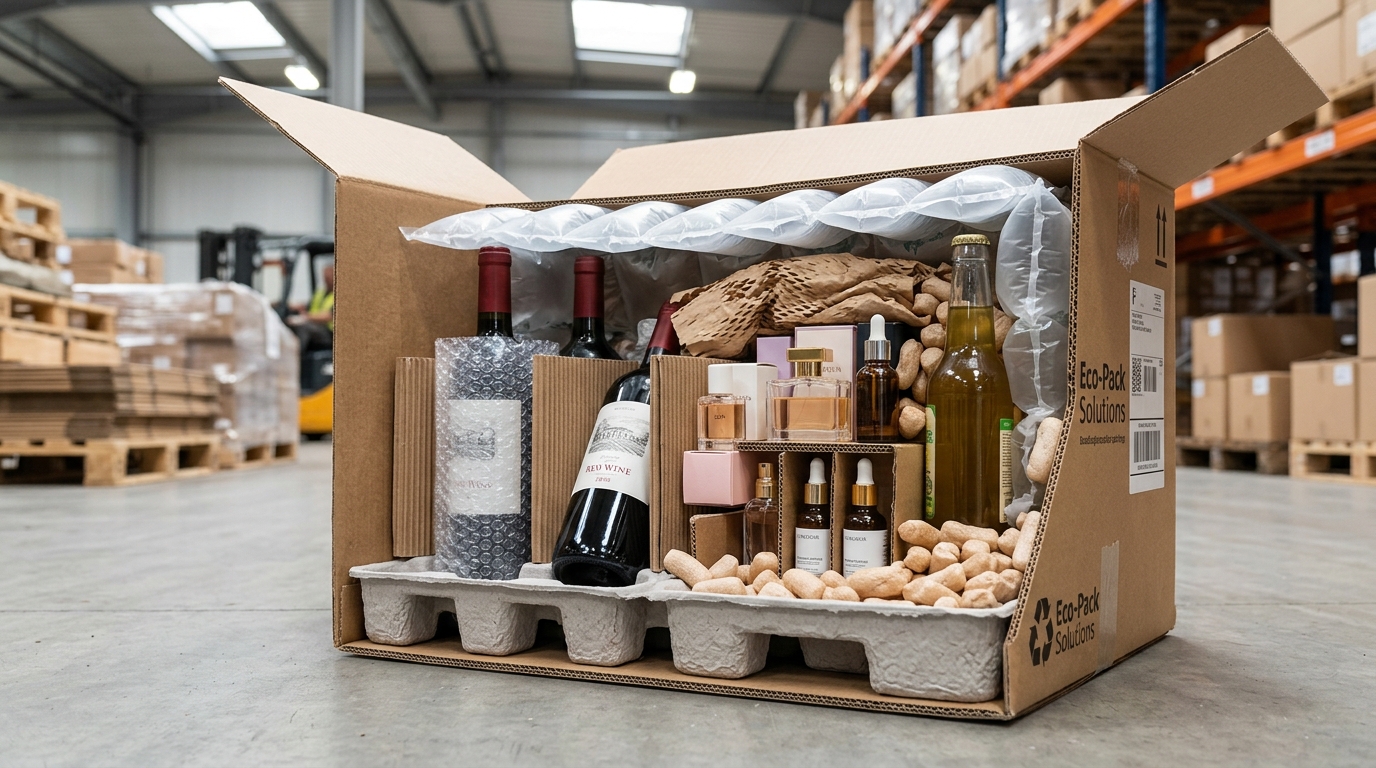
Custom-fit trays and dividers hold each item in place and present them in a deliberate order. We rely on Custom Packaging Inserts to give every product its own space, because a fitted insert keeps items secure, organized, and visible the moment the lid lifts. The result is a box that looks intentional rather than thrown together.
Here is how internal structure changes the unboxing outcome:
| Internal Setup | Unboxing Result | Customer Reaction |
| Fitted insert per item | Clean, ordered reveal | Delight and trust |
| Loose packing peanuts | Items shift and hide | Frustration |
| No separation | Products scratch or break | Returns and complaints |
| Custom tray with labels | Guided, premium feel | Shareable moment |
How Organization Drives Repeat Purchases
A single good experience earns a second order. Repeat purchases are where an organization pays for itself, because keeping a customer costs far less than finding a new one. Studies on retention show a 5% increase in customer retention can raise profits by 25% to 95%.
Organization supports retention at every stage. It makes reordering simple, it makes the product easy to use, and it removes the small annoyances that push customers toward competitors.
Making Reorders Effortless
Customers return to brands that make buying easy. Organized product systems remove the guesswork from a second purchase.
- Clear product naming so customers find the exact item again.
- Consistent packaging so the reorder feels familiar and trusted.
- Logical bundles that suggest the next natural purchase.
- Reusable or labeled packaging that keeps your brand in front of them.
Each step shortens the path from “I need more” to “I bought more.” That speed protects your sales from competitors.
The Trust Loop That Creates Loyalty
Repeat buying runs on trust, and trust grows through consistency. When every order arrives organized the same way, customers stop worrying about whether the next one will be right. That confidence is what turns a buyer into a loyal customer.
We build this consistency into the packaging system itself. The same structure, the same protection, and the same clean reveal every single time. We do not leave the experience to chance.
How Product Organization Builds Brand Trust
Trust is earned through repeated, reliable signals. Product organization is one of the clearest signals you can send. It tells customers you respect their time, their money, and their experience.
Disorganization sends the opposite message. A buyer who receives a chaotic box assumes the same carelessness runs through the rest of your business. Fair or not, that judgment shapes whether they buy again.
Consistency Across Every Touchpoint
Brand trust depends on matching what you promise with what you deliver. Organization keeps that promise visible from the website to the doorstep.
| Touchpoint | Organized Signal | Trust Built |
| Website listing | Clear photos and categories | “I know what I’m getting” |
| Shipping confirmation | Accurate item details | “This brand is precise” |
| Packaging exterior | Clean, branded box | “This looks professional” |
| Interior arrangement | Ordered, protected items | “They care about quality” |
| Reorder experience | Identical, reliable setup | “I can count on them” |
When every touchpoint agrees, trust compounds. Each consistent experience makes the next purchase easier to commit to.
Reducing Returns and Complaints
Returns often start with confusion or damage, and both trace back to poor organization. A customer who cannot find a part, or who receives a broken item, files a complaint. Organization prevents most of these before they happen.
We reduce returns by structuring packaging so items arrive intact and instructions stay clear. Fewer returns mean lower costs and higher trust. Both protect your bottom line over the long term.
Packaging Structure: The Backbone of Organization
Everything we have covered depends on one thing: the structure of your packaging. Without solid structure, presentation falls apart and unboxing turns into a mess. Structure is what holds the whole experience together.
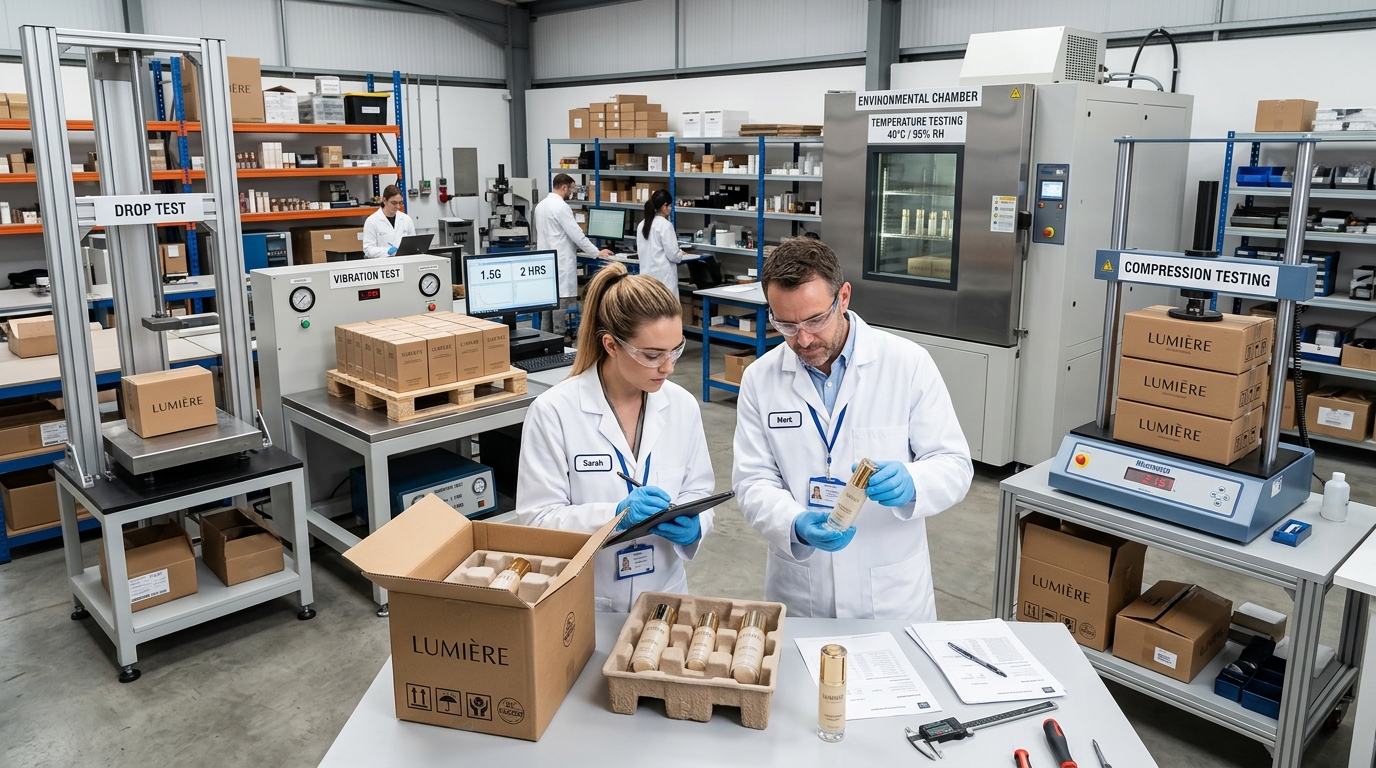
Good packaging structure does more than protect. It organizes, presents, and communicates all at once. We design structures to serve each of these roles rather than treating the box as a simple container.
The Building Blocks of Strong Packaging Structure
We break packaging structure into clear components, each with a defined job. Every piece earns its place.
- The outer box: Protects the contents and carries your brand identity.
- Internal dividers: Separate items so nothing touches or shifts.
- Fitted trays and inserts: Hold each product in a set position.
- Void fill: Removes empty space that allows movement.
- Labels and instructions: Guide the customer through the contents.
When these elements work together, the customer receives an experience that feels designed, not accidental.
Matching Structure to Product Type
Different products need different structures. A one-size-fits-all box leads to wasted space and shifting items. We match the structure to the product so the fit is exact.
| Product Type | Recommended Structure | Main Benefit |
| Fragile glass or ceramics | Molded inserts with full suspension | Prevents breakage |
| Multi-item kits | Compartment trays | Keeps items ordered |
| Electronics | Foam-fitted cavities | Stops shock damage |
| Cosmetics and small goods | Die-cut inserts | Premium presentation |
| Subscription boxes | Layered trays | Guided reveal |
The right structure protects the product and presents it well at the same time. You do not have to choose between safety and style.
Balancing Cost and Quality
A common concern is that custom structure costs too much. We hear this often, and the math usually proves otherwise. The cost of damaged goods, returns, and lost customers almost always exceeds the cost of proper packaging.
Smart structure pays for itself. Brands looking for Affordable Custom Packaging can match quality with budget by choosing materials and designs sized to the exact product. The goal is no wasted space, no wasted spend, and no broken items.
Common Mistakes That Hurt the Customer Experience
Even strong brands slip on the same organization mistakes. Each one chips away at the experience you worked hard to build. We name them directly so you can avoid them.
Mistake 1: Treating Packaging as an Afterthought
Many brands design the product first and the packaging last. By then, the box rarely fits well. The fix is to plan packaging alongside the product so structure and item match from the start.
Mistake 2: Overpacking the Box
More filler does not mean more protection. Too much loose material hides items and frustrates customers. We use fitted structure instead, which protects better and looks far cleaner.
Mistake 3: Inconsistent Presentation
When each order arrives arranged differently, customers lose the sense of reliability. Consistency is what builds trust. We standardize the layout so every box matches the last.
Mistake 4: Ignoring the Customer’s Effort
If a customer struggles to open, unpack, or understand the contents, the experience fails. We design for easy opening, clear order, and simple instructions so the effort stays low.
Here is a quick reference for fixing each mistake:
| Mistake | Why It Hurts | What to Do Instead |
| Packaging as afterthought | Poor fit, wasted space | Design box and product together |
| Overpacking | Hides items, looks cheap | Use fitted inserts |
| Inconsistent presentation | Erodes trust | Standardize every box |
| Ignoring customer effort | Causes frustration | Design for easy use |
Best Practices for Product Organization
Strong organization follows a repeatable system. We do not rely on memory or guesswork to get it right. We follow the same steps for every product so the result stays consistent.
Use this approach to build organization into your customer experience:
- Map the full journey. Track how the customer finds, buys, and opens the product, then organize each step.
- Standardize your layouts. Keep the same arrangement across orders so customers know what to expect.
- Match structure to product. Choose inserts and dividers sized to the exact item, not a generic box.
- Test the unboxing. Open a sample order yourself and judge it as a first-time customer would.
- Gather feedback. Ask customers what felt clear and what felt confusing, then adjust.
- Document the process. Write down your packing steps so every team member follows the same standard.
A documented system removes uncertainty. When everyone follows the same checklist, the customer receives the same quality every time.
Quick Tip: Audit Your Own Boxes
Order your own product as a regular customer once a quarter. Open it with fresh eyes and note every point of confusion or delay. This simple habit reveals organization problems before your customers find them.
How Organization Affects the Numbers
Organization is not only about feel. It moves real metrics that affect your revenue and costs. We track these outcomes so the value stays measurable, not vague.
| Metric | Effect of Strong Organization |
| Return rate | Drops as damage and confusion fall |
| Customer reviews | Improve from better unboxing |
| Repeat purchase rate | Rises with consistency and trust |
| Support tickets | Decrease with clear instructions |
| Average order value | Grows through logical bundling |
Each metric ties back to a single idea. When you reduce customer effort and increase clarity, the business numbers improve alongside the experience.
Final Thoughts
Product organization is one of the most direct ways to improve the customer experience. It shapes the first impression, defines the unboxing moment, builds the trust that drives repeat purchases, and holds everything together through solid packaging structure. None of it happens by accident.
The path forward is clear. Map your customer journey, standardize your layouts, match your structure to each product, and test the experience the way a customer would. Fix the common mistakes, document your process, and stand behind every box you send.
Start with one step today: order your own product and open it as a customer. What you see will tell you exactly where your organization helps and where it needs work. From there, build a system you can repeat with confidence.
Frequently Asked Questions
- What is product organization in the context of customer experience?
Product organization is the deliberate arrangement of items so customers can find, understand, and use them with no confusion. It covers retail displays, online listings, and the way products are arranged inside packaging. Strong organization reduces customer effort and raises satisfaction at every touchpoint. - How does product organization affect first impressions?
Customers judge a product display in about 50 milliseconds, often before reading any text. A clean, ordered presentation signals quality and care, while a cluttered one signals carelessness. That first judgment carries straight over to how buyers feel about the product itself. - Why does unboxing matter so much for the customer experience?
Unboxing is the moment your product organization is fully visible, and customers often film and share it. A logical, protected, well-ordered box confirms the buyer made a smart choice. A messy box undoes the trust your marketing worked to build, often leading to returns and poor reviews. - Can better product organization really increase repeat purchases?
Yes. Organization makes reordering simple and keeps the experience consistent, which builds the trust that drives loyalty. Since a 5% rise in retention can lift profits by 25% to 95%, the impact on repeat sales is significant. Customers return to brands that make buying easy and reliable. - Is custom packaging structure worth the cost for a small brand?
For most brands, yes. The cost of damaged goods, returns, and lost customers usually exceeds the cost of proper packaging. Choosing materials and designs sized to your exact product keeps spending efficient while protecting the experience. Smart structure tends to pay for itself over time. - What is the most common product organization mistake?
Treating packaging as an afterthought is the most frequent error we see. When the box is designed after the product, the fit is poor and items shift or hide. Planning packaging and product together from the start prevents this and keeps the experience clean and consistent.
















Leave a Reply